
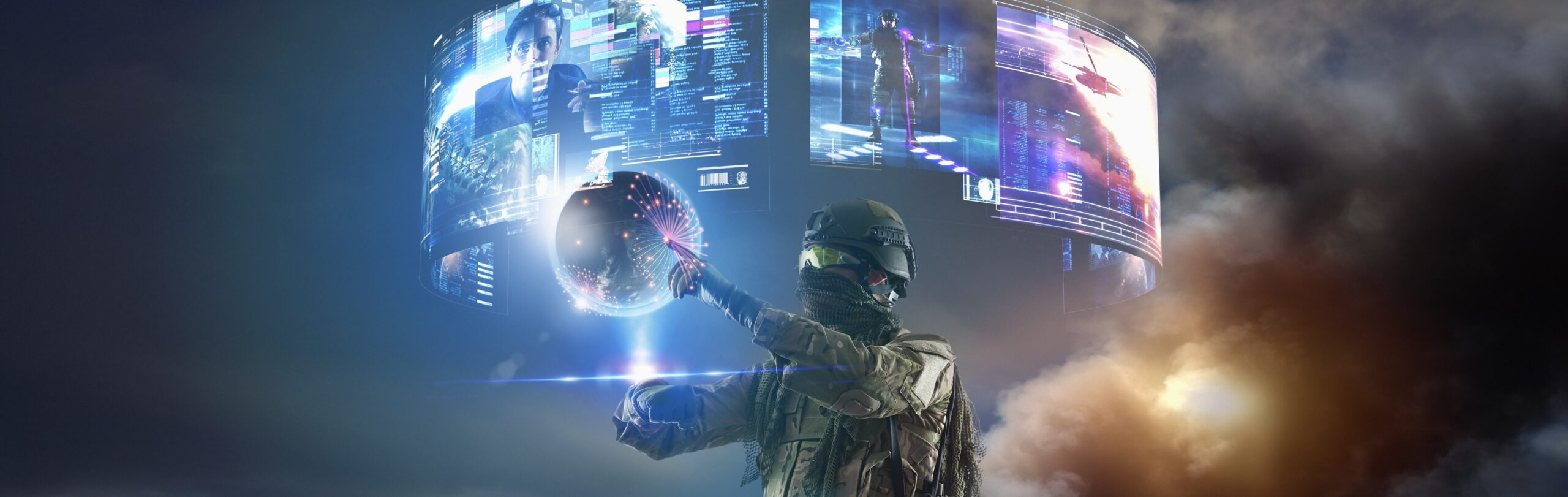
Staying Safe in a Time of Global Conflict
Understand the Information Warfare – Ali Raza (CyberSecurity Cordinator SecSolutions Australia-Newzeland)
In today’s connected world, wars are not fought only on battlefields. They also take place online through misinformation, propaganda, cyberattacks, and digital surveillance. This type of conflict is often called information warfare, and it can affect ordinary people anywhere in the world. Being informed and aware can help individuals protect themselves, their families, and their communities.
1. Be Careful With Information You See Online
During conflicts, false information spreads quickly through social media, messaging apps, and websites. Some content is intentionally created to confuse people, spread fear, or influence public opinion.
To stay safe:
-
Verify news through trusted and established media sources.
-
Avoid sharing information if you are unsure whether it is true.
-
Check the date, source, and author of articles before believing them.
-
Be cautious with emotionally charged headlines or shocking claims.
Taking a few minutes to verify information can prevent the spread of misinformation.
2. Protect Your Personal Information
Cybercriminals and hostile groups sometimes use global conflicts as opportunities to collect personal data or launch scams.
Good practices include:
-
Avoid sharing personal details such as your location, phone number, or workplace online.
-
Be careful when clicking links in emails or messages from unknown sources.
-
Enable two-factor authentication (2FA) and Never Share Your OTP or 6 Digit Number.
Protecting your digital identity helps reduce the risk of cyberattacks.
3. Recognise Online Scams and Propaganda
Scams often increase during times of crisis. Fraudsters may pretend to represent charities, government agencies, or humanitarian organisations.
Common warning signs include:
-
Urgent requests for money or donations.
-
Messages asking you to click suspicious links.
-
Fake social media accounts impersonating well-known organisations.
Always confirm the legitimacy of organisations before donating or sharing their content.
4. Secure Your Devices and Networks
Keeping your devices secure is an important part of personal cybersecurity.
Simple steps include:
-
Keep your phone, computer, and apps updated.
-
Install trusted antivirus or security software.
-
Avoid using public Wi-Fi networks for sensitive activities such as banking.
-
Use a secure home network with a strong Wi-Fi password.
These small actions greatly reduce vulnerability to cyber threats.
5. Stay Calm and Think Critically
Information warfare often aims to create panic, anger, or division among communities. Staying calm and thinking critically is one of the most powerful defenses.
Before reacting to online content:
-
Take a moment to evaluate the source.
-
Consider whether the information might be biased or manipulated.
-
Seek multiple viewpoints before forming an opinion.
Critical thinking helps individuals resist manipulation.
Final Thoughts
Global conflicts affect not only governments and military forces but also ordinary people connected through the digital world. By staying informed, protecting personal data, and thinking critically about the information we consume, individuals can reduce their vulnerability to misinformation and cyber threats.
Awareness, responsibility, and digital literacy are essential tools for navigating the modern information landscape safely.
- Ali Raza (CyberSecurity Cordinator SecSolutions Australia-Newzeland)

Leave a Reply